I started this blog series ages ago. It was meant to be a fun way for me to explore topics that interested me. I’ve no idea if it will interest you, but I still find pleasure in research and discover, so it continues to exit.

I used to work for an automotive shop. No, I wasn’t a mechanic; I am in no way that cool. Of course, I was in the front office, handling payroll, HR, reception, and the like. Another duty I managed was the social media/online presence. That meant I could research and share fun tidbits about care maintenance. I thought I would do that today.
Battery Care for Cars
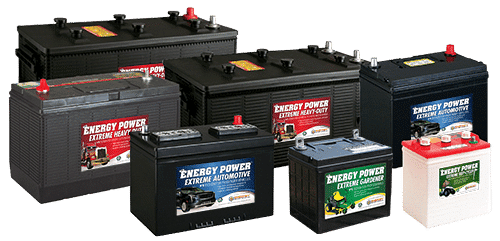
1) Check both the battery’s voltage and fluid level regularly. NOTE: some use acid while other batteries have distilled water.
2) Clean the battery terminals. You want to remove dirt, grease, rust – any sort of buildup that can prevent the proper flow of electricity. Loose or clogged connections will cause recharge and conduction problems.
3) Ensure your battery is secure to prevent it from shaking and potentially damaging its internal connections. There are hold-down kits to assist available. This is important because positive and negative terminals that comes in contact with exposed metal are fire hazards.
Windshield Washer Fluid
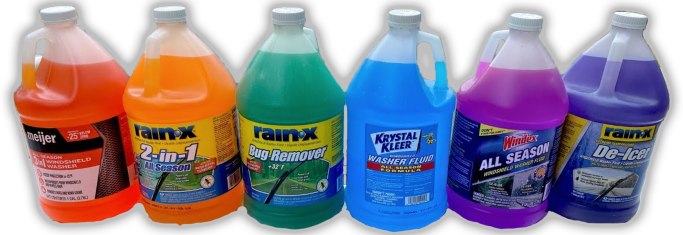
1) You don’t have to replace windshield washer fluid. You refill it.
2) Windshield washer fluid is a poisonous concoction of brightly-colored methanol mixed with small quantities of other chemicals. Keep it out of the reach of children as they often mistaken it for juice.
3) Mixing a gallon of water in a container with a cup of vodka or isopropyl alcohol is a great alternative to methanol washer fluid.
Car Air Filter Care
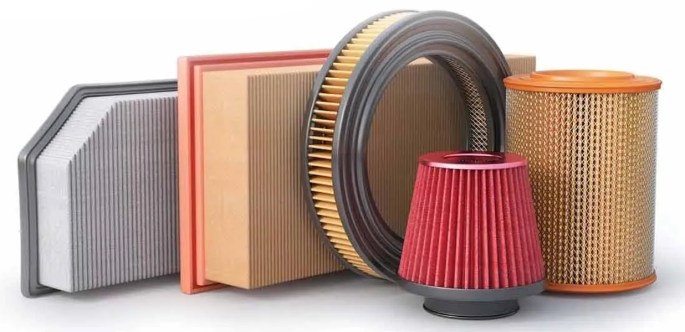
1) MERV stands for Minimum Efficiency Reporting Value, and it indicates how well a filter traps particles from the air.
2) MERV ratings run on a 1 to 20. The higher the rating, the better the filter. This means, a higher rating captures smaller particles, making 17 to 20 true HEPA filters.
3) The best rating for cars and trucks are between 8 and 13. This ensures the best balance between filtration and airflow.
***Airflow can impact your vehicle’s performance.
4) It is recommended that your air filter be changed every 12,000 to 15,000 miles or once a year, whichever comes first.
Car Oil Change
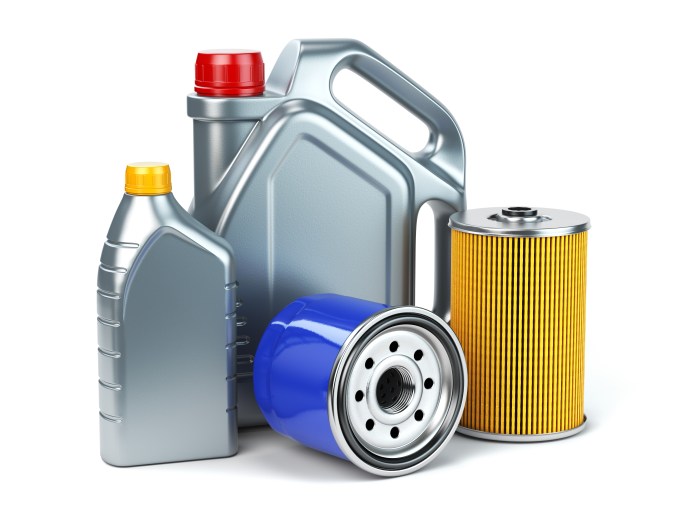
1) Both mileage and interval are important considerations for determining when to change your oil. Oil degrades from heat and pressure.
2) Most mechanics recommend you check your oil level at least monthly. Often, it is suggested to check it every other gas fill-up.
3) Be mindful of your oil level. Under or over filling can be damage the engine.
4) Wear disposable nitrile gloves to protect yourself.
5) Recycle your oil. NOTE: Texas law bans oil and any other free liquids from all solid waste landfills in Texas.
6. Reset your computer.
Wiper Blades for Vehicles
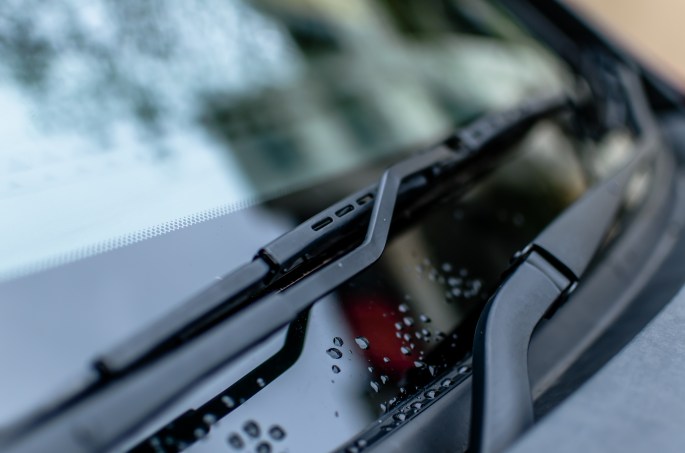
1) Replace your wiper blades regularly.
2) Check your car’s owner’s manual instructions.
3) Make sure you have the correct size.
4) Check to see if you only need to change the rubber inserts.
5) If you need to replace the full assembly, make sure you remove the plastic protectors.
Tire Pressure Care
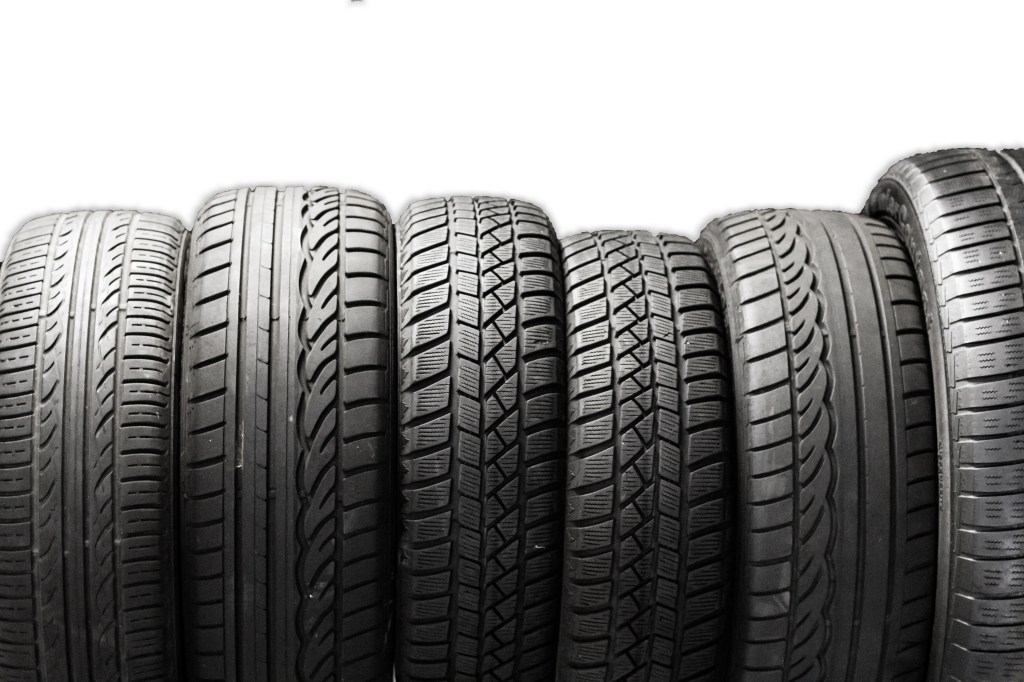
1) Temperature effects your tire inflation.
2) There should be a sticker inside your driver’s side door that tells you what your optimal tire pressure should be.
3) Most passenger vehicles should have a tire pressure between 30 to 35 psi.
4) Check your tires first thing in the morning.
5) If you have already started to drive, wait at least 3 hours for your tires to cool down before checking the tire pressure.


 J.M. NORTHUP