I had a feature, called Julie’s Jewels, on Norns Triad Publications’ blog. I used it to share tidbits about my life, which I tied into book suggestions (because you know I love books). I thought it might be fun to do something similar here. Hence, the birth of this series, #NorthupNews.
The cool thing is that my partners, Sahara Foley and Karen J. Mossman, have similar features on their blogs. It is a way for us to connect with our readers. Hopefully, it is as interesting to you as it is for us.
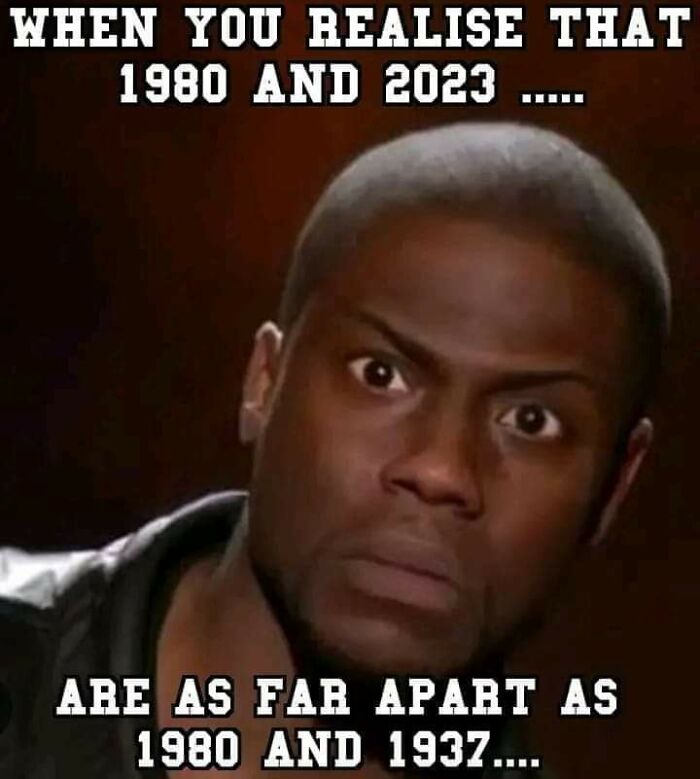
Time is relative, so it is not a huge leap to say age is relative, too. More so, this becomes more apparent when you consider the way Eastern Reckoning calculates age compared to Western societies. Let’s take it a step further and say, time makes age relative. BOOM! Is your mind blown yet?
It always interested me how different cultures looked at age. It just reinforced the idea that time is a human construct; age and time are just tools for measuring things. They really have no meaning, except that which is assigned. The meaning may vary from one interpretation to another, and that is okay.
Eastern Age Reckoning is vastly different from Western. The truth is that neither way is wrong. They are just based on different ideologies and different calendars. Time and age are simply concepts meant to give better understanding of our world and the stages of life we experience.
“What is the common age system used in most Western countries for calculating age?
In most Western countries, the common age system calculates the exact age of a person based on the difference in years between starting date of the current date and their birth date. This system accounts for leap years to ensure accuracy.”
Yes, people tend to perceive time as passing faster as they get older. This is due to a number of factors, including:
Fewer new experiences As people age, they experience fewer new things and ideas to leave lasting impressions on their memories.
Perspective People tend to look back on fewer events as they age, and their brains lump similar days or weeks together.
Proportion of life A year is a much smaller percentage of an older person’s life than it is for a child. For example, a year is 10% of a 10-year-old’s life, but less than 2% of a 60-year-old’s life.
Slower visual processing As people age, the rate at which they process visual information slows down. This is because the brain’s networks of neurons increase in size and complexity, and nerves accumulate damage that resists the flow of electric signals.





 J.M. NORTHUP
I have to say I totally disagree with those factors. It makes us older people sound infirm and stupid. LOL.
LikeLike