The Value of the dollar is determined in two way: nominal (which is the present market value for exchanging goods and services) and real (which is the actual, or true, values for goods and services produced and sold). In addition, the demand for goods and services in relation to the available currency drives inflation (or deflation), effecting the value of the dollar, as well.
“Remembering that inflation or deflation is a relation enables us to see something else – namely, what really ‘backs’ our money. What really backs our money is not simply stuff that already exists, but stuff we use money to bring in to existence – that is, stuff we spend money to produce. You know about money we spend in this way – it has its own name. Money spent in production is called productive investment. And productive investment is counter-inflationary.”
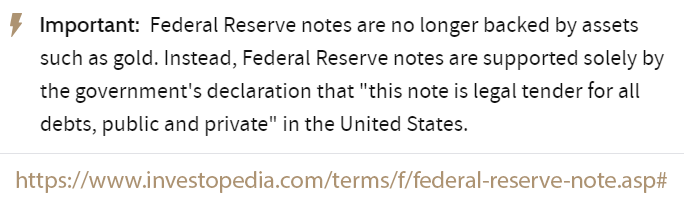
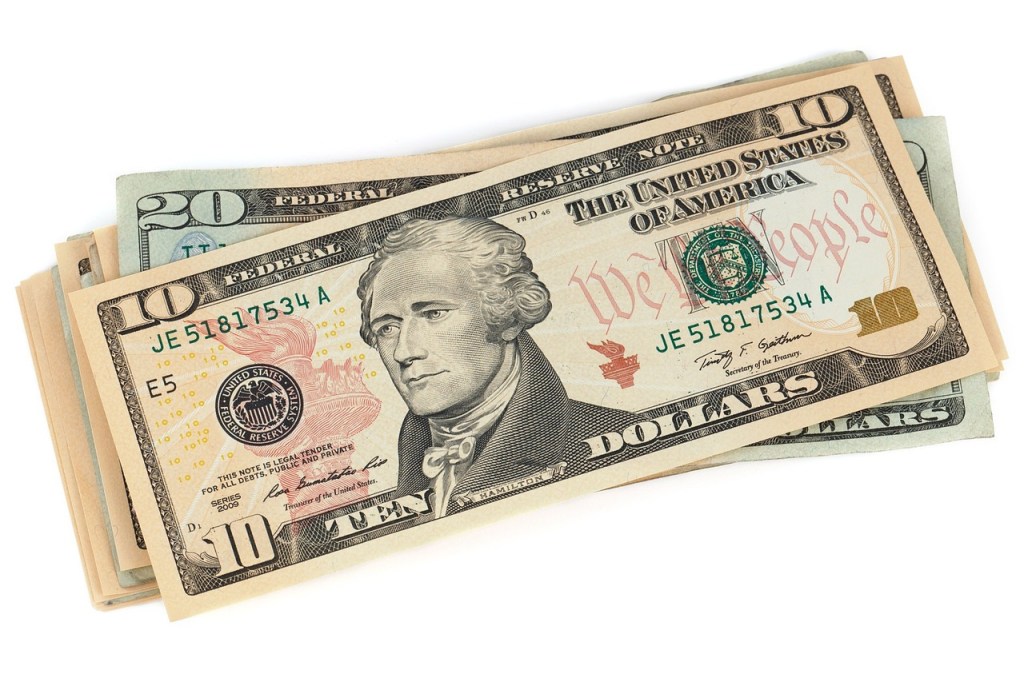
Consider this, coins have value of their own since they are made of precious metals. Paper bills have an assigned value universally accepted based on exchange rates. This is also why we are able to use credit, because it is a concept and not a tangible value, like coins. What gives paper money and credit value is an idea; a ‘promise’ of goods or services (hence, promissory note). This is basically the same idea for digital currency, such as crypto.
“We’ve all heard the adage, ‘it takes money to make money.’ What this means is that, in a decentralized exchange economy like ours, you have to invest money to make the things and provide the services that people buy with money. But this means there’s an easy way to spend – and ‘create’ – money without creating inflation: you just spend it in ways that produce the very goods and provide the very services that the new money pays for.”



 J.M. NORTHUP
Thank you this was really interesting.
LikeLike
Thank you. I appreciate your readership and feedback 🥰
LikeLike